
Questions?
(800) 604-5537
In building systems, reliable drainage is nonnegotiable—and Zurn stands at the forefront with engineered solutions that span roof and floor drainage needs. On rooftops, Zurn roof drains excel at channeling stormwater away from critical structural areas using a full spectrum of options: primary, overflow, siphonic, dual-outlet, and control flow models, all rigorously tested to meet flow-rate standards and performance codes.Inside structures, Zurn floor drains maintain safety and function by removing excess liquid from floors—whether in commercial, industrial, or residential settings. Their cast iron, stainless, and adjustable systems, including innovative tilt-adjustable models, deliver durability, installation ease, and compliance with load-rating and flow requirements.Together, these offerings showcase Zurn’s commitment to integrating high-performance drainage solutions across the full building envelope—roof to floor.
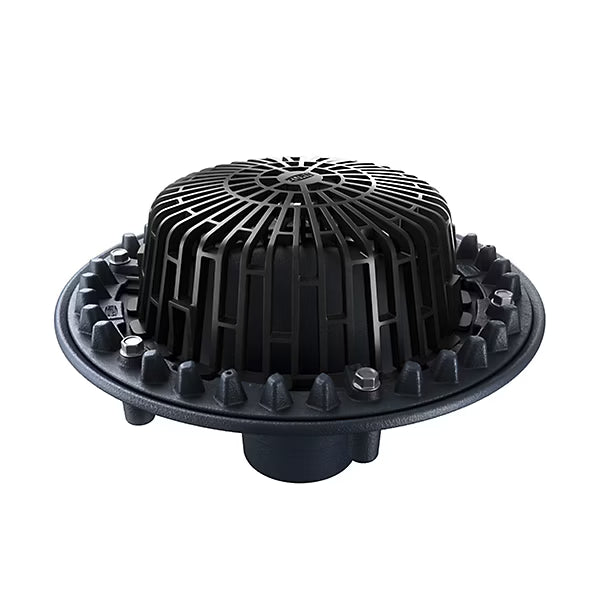
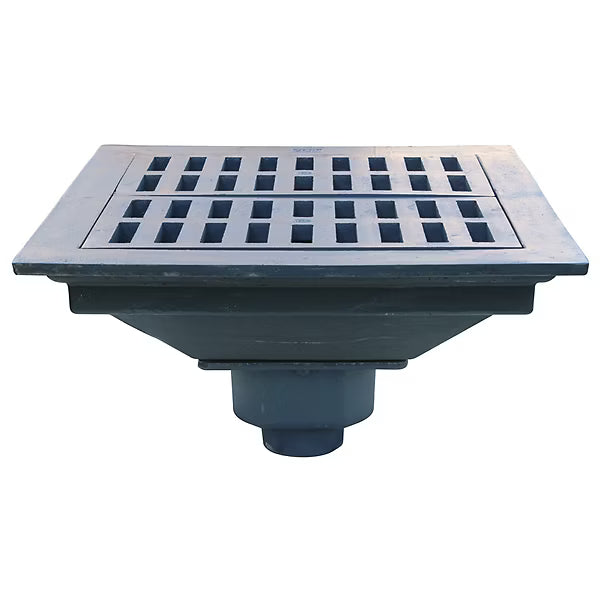
From the roof membrane to the lobby floor, Zurn drainage systems help move water off the building and away from occupants. Below is a clear, field-ready overview of roof drains and floor drains—what they do, where they fit, and how to specify them with confidence.
Technical overview: Roof drains collect water at the membrane and convey it to the storm system; floor drains collect water at the finish floor. Roof drains keep the roof dry and safe; floor drains keep interiors clean and slip-resistant. Zurn provides families of heads, bodies, clamping rings, strainers, and accessories so you can match flow, load class, finish, and maintenance needs across a project.

Plain English: choose a drain that ties neatly into your roof build-up, moves water fast, and stays clear when storms hit.
For green roofs and plaza decks, specify risers, gravel guards, and inspection covers to keep soil and pavers out of the bowl. Maintain filter fabric layers and ensure overflow strategies meet code so rainfall events don’t overload the system.
Accessories: domes, gravel stops, sumps, deck plates
Outlets: no-hub, inside caulk, threaded (per riser detail)


Plain English: pick the head that fits the finish, the body that meets the load, and the options that match your cleaning routine.
Floor finish: tile, terrazzo, resinous, concrete
Load class: pedestrian → light-vehicular → heavy
Hydraulics: expected flow + debris profile
Sanitation: integral trap, trap primer, flushing rim
Waterproofing: clamp ring, weep paths, deck plate
Security: hinged/secured tops, vandal-resistant screws

Tie bodies to reinforcement, align outlets, and maintain bowl elevation relative to membranes or finish floors.
For roofs, clamp and seal membranes; for floors, keep grate ledges clean during pours to ensure proper seating.
Water test primary/overflow (roof) and weep function (floor). Record model/options for O&M.
A five-story mixed-use building upgraded to domed primary + overflow roof drains and standardized floor drains with trap primers in back-of-house spaces. Result: fewer ponding incidents during heavy rain and faster nightly cleanups thanks to secured, easy-service strainers.