
Questions?
(800) 604-5537
Cast iron and brass floor cleanouts with durable covers and plugs — accessible service points for inspecting and clearing drain lines in commercial, industrial, and residential floors. Free shipping.
A floor cleanout is an accessible entry point into a drain line, set flush with the floor, that lets a plumber inspect and clear blockages without cutting into the pipe or surrounding structure. Our floor cleanouts pair cast iron or brass bodies with secured, traffic-rated covers and threaded plugs — keeping a building's drainage system maintainable across commercial, industrial, and residential settings.
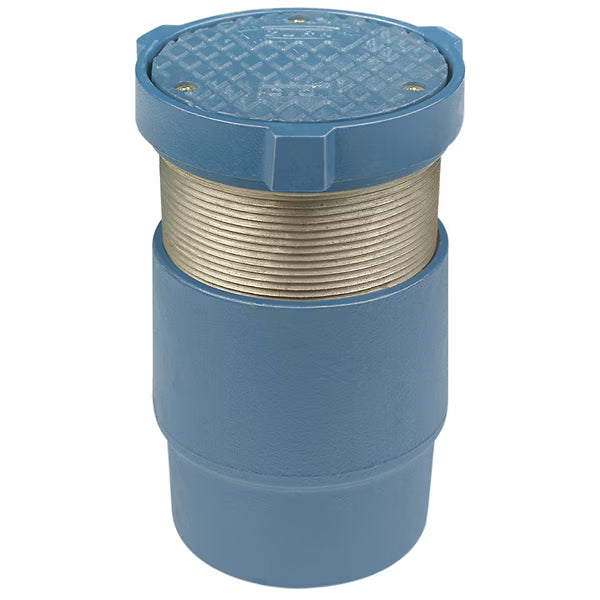
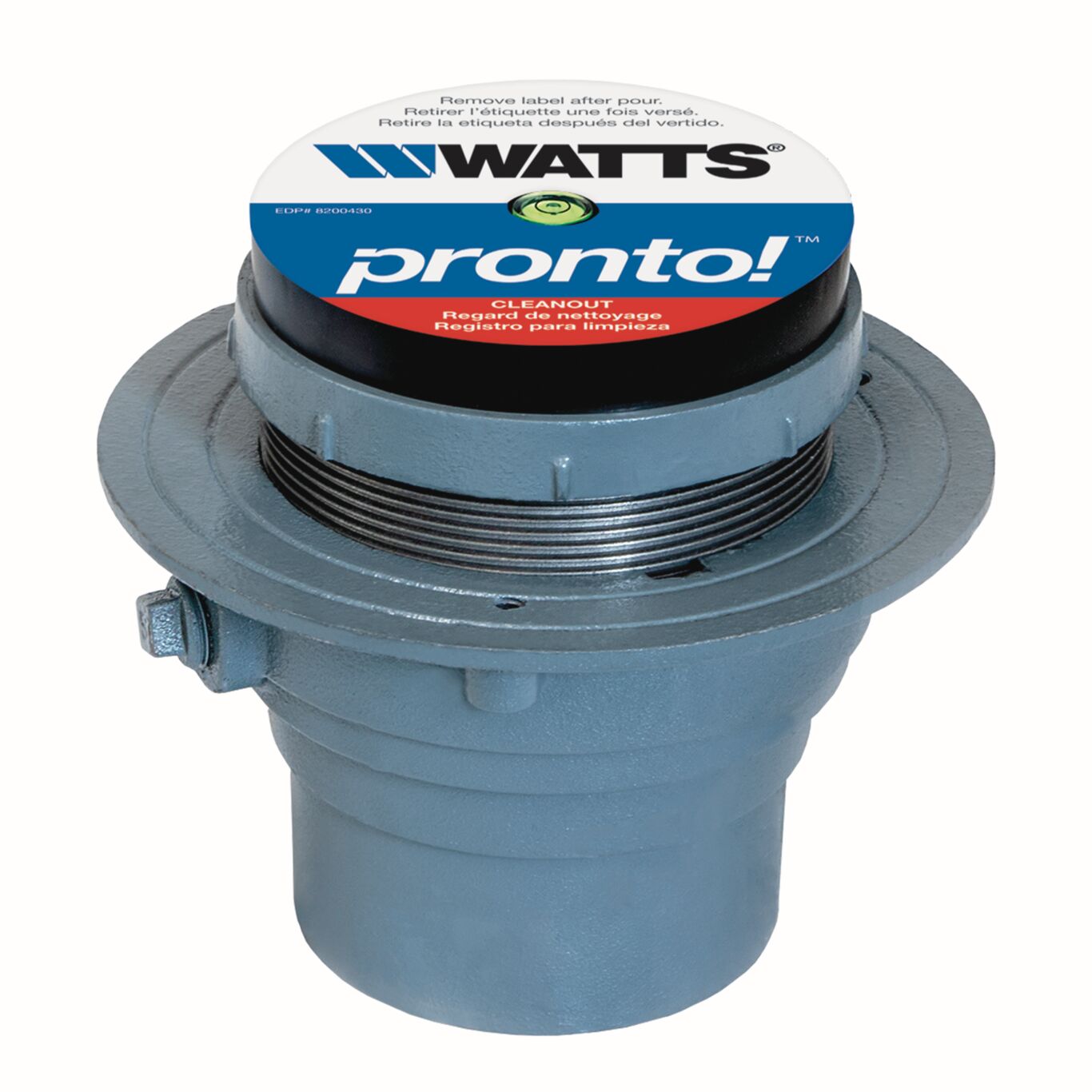
A floor cleanout is an accessible opening into a drain or sewer line, finished flush with the floor, that gives a plumber a direct entry point to inspect the pipe and clear blockages. Instead of cutting into a wall or slab when a line clogs, a technician removes the cleanout cover and threaded plug, runs a cable or camera through the opening, and services the line — then reseals it. Placed at key points along the drainage system, cleanouts cut labor and repair costs and minimize downtime.
A typical floor cleanout combines a cast iron or brass body set into the floor, a threaded cleanout plug that seals the pipe, and a secured cover or access plate that sits flush with the finished surface and stands up to foot traffic.
Match the body, plug, and cover to the floor finish, the traffic, and the pipe size:
Heavy-duty bodies for demanding commercial and industrial floors, tying into cast iron or PVC drainage.
Corrosion-resistant covers and access plates that finish cleanly in tile, terrazzo, and finished spaces.
Threaded plugs — cast iron, brass, or ABS/PVC — that seal the pipe and back out for service access.
Round or square, scoriated or smooth, with secured screws to keep the cover flush and traffic-safe.
Adjustable tops set the cover elevation flush to the finished floor thickness during the pour.
Flush covers with carpet cups or tile recesses blend the cleanout into the finished floor.
Work through these factors to spec the right floor cleanout:
For finished amenity spaces, choose brass or nickel-bronze covers with a carpet or tile marker; for back-of-house and industrial floors, cast iron covers handle heavier traffic.
| Bodies | Cast iron for durability; also available for PVC and ABS drainage systems |
| Plugs | Threaded cast iron, brass, or plastic; countersunk or raised-head |
| Covers | Cast iron, brass, or nickel-bronze; round or square; scoriated or smooth |
| Adjustability | Adjustable housings to set the cover flush with the finished floor |
| Markers | Carpet cups and tile recesses to blend into the finished surface |
| Security | Secured / vandal-resistant screws where required |
Always confirm pipe size and connection type, body and cover material, cover style, and load rating against the plumbing schedule and local code before ordering.
Place cleanouts at line direction changes, junctions, and code-required intervals so every run stays serviceable.
Use adjustable housings to bring the cover level with the finished floor thickness so it sits flush and traffic-safe.
Thread the plug to seal the line, set the cover, and fasten with the specified — vandal-resistant where needed — screws.
A floor cleanout provides an accessible entry point into a drain or sewer line so a plumber can inspect the pipe and clear blockages with a cable or camera — without cutting into the slab or wall. It's finished flush with the floor and sealed with a threaded plug and cover between service visits.
The plug is the threaded fitting that seals the pipe itself, keeping sewer gas and water in the line. The cover (or access plate) is the finished, traffic-rated top that sits flush with the floor and protects and conceals the plug. A complete floor cleanout uses both.
Cast iron covers are the heavy-duty, cost-effective choice for industrial and back-of-house floors. Brass and nickel-bronze covers resist corrosion and finish cleanly in tile, terrazzo, and public amenity spaces where appearance matters. Match the cover material to both the traffic and the finish.
Drainage lines require cleanouts at code-specified points — direction changes, junctions, and set intervals — so the system stays serviceable. Some floor drains include an integral cleanout, but many runs need a separate floor cleanout. Follow your local plumbing code and the plumbing schedule for placement.
Not as a substitute. A floor drain collects surface water, while a cleanout provides a straight-line service access to the pipe. Some drains offer an integral cleanout feature, but where code calls for a cleanout, use a proper cleanout fitting rather than relying on a floor drain.
Use an adjustable cleanout housing, which lets you set the cover elevation to the finished floor thickness during installation. This keeps the cover flush and traffic-safe and avoids a raised lip that can catch carts, feet, or equipment.