Skip to content
FREE SHIPPING ON ALL ORDERS

Galvanized Chicken Wire

$307.09


FREE SHIPPING
SKU MM-x5100

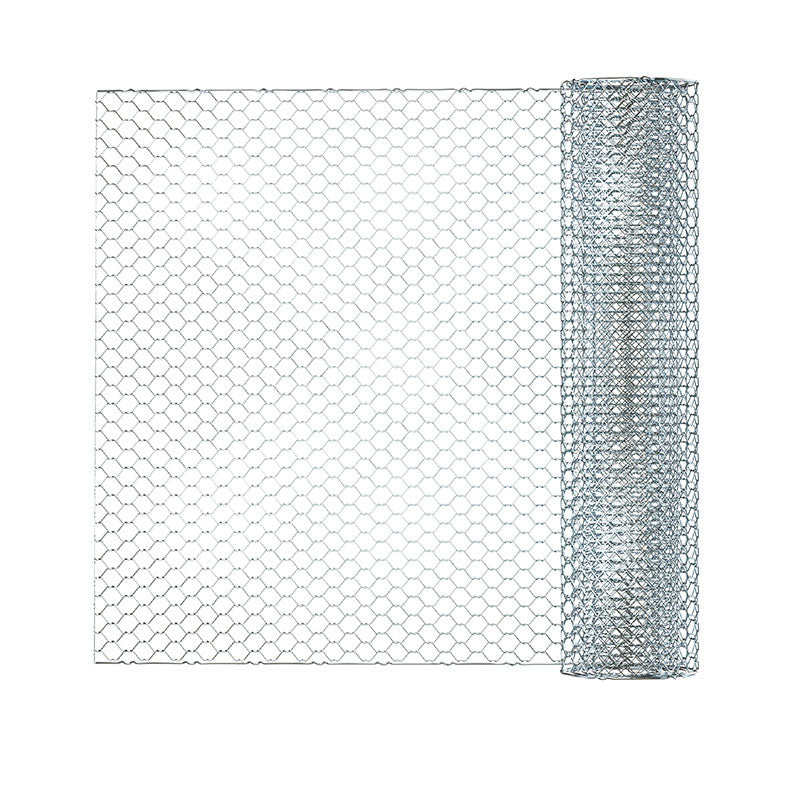
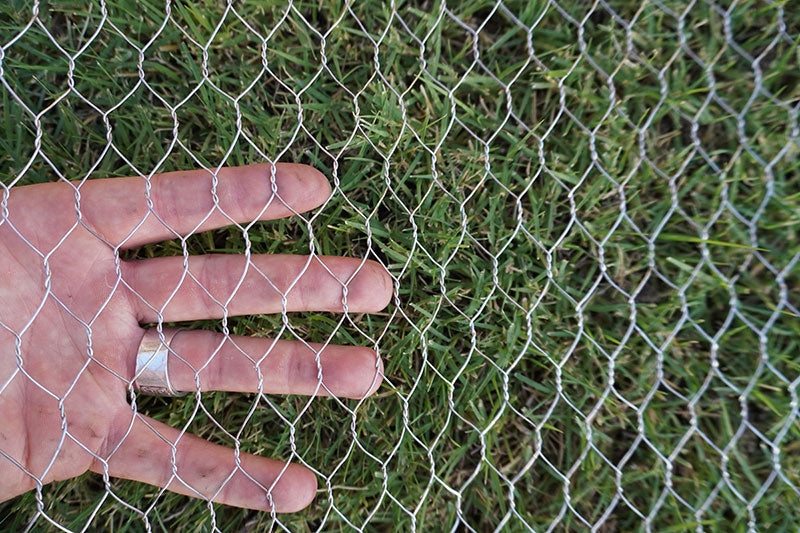
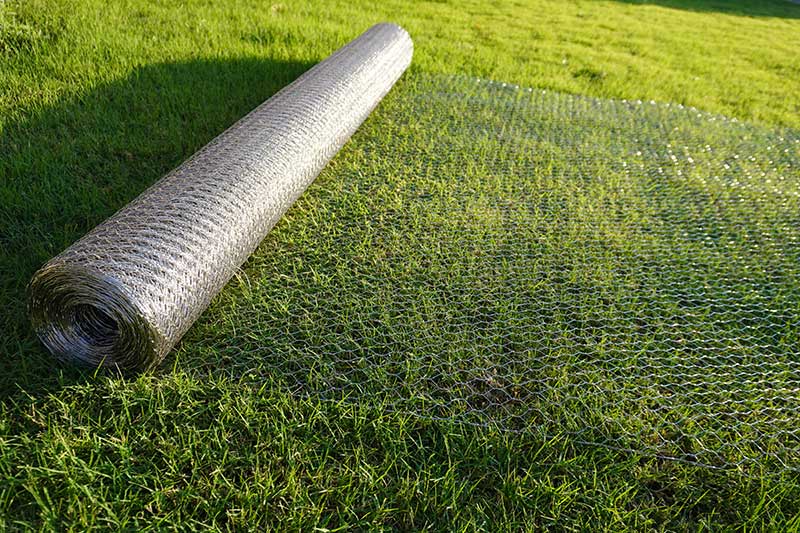
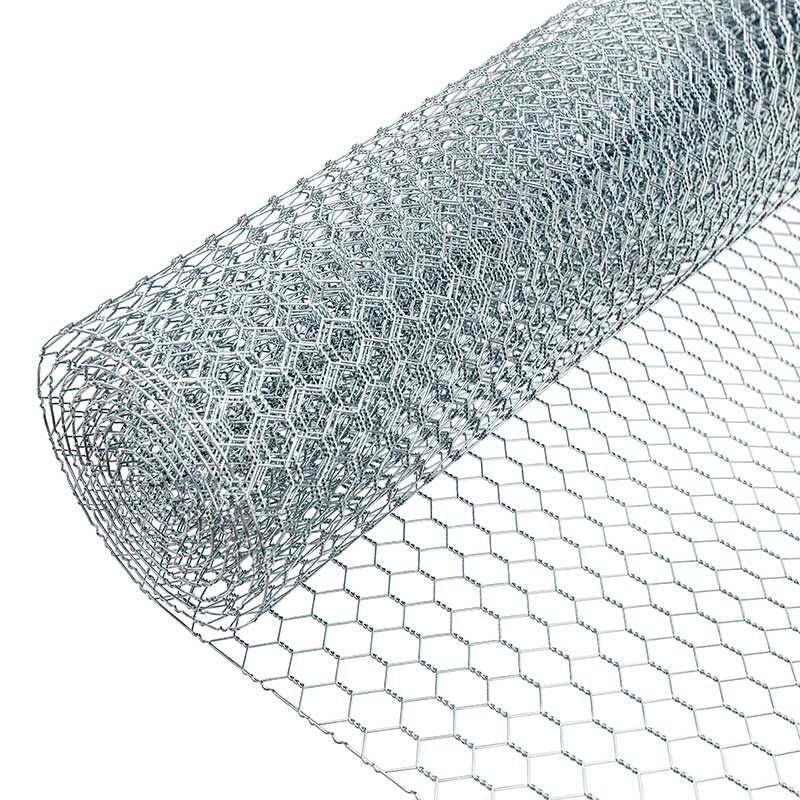
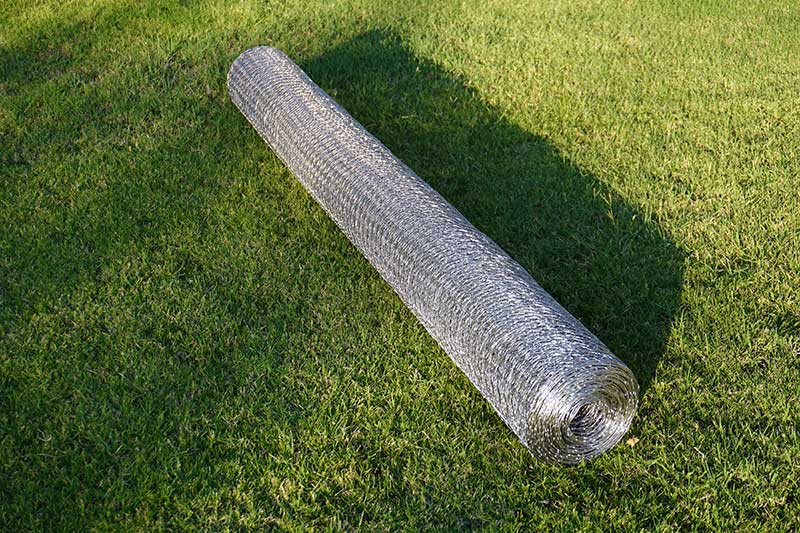
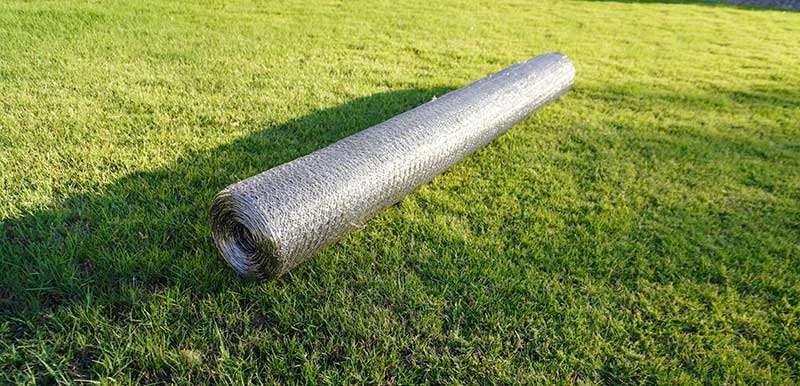
Our Galvanized Chicken Wire is a heavy duty wire that is made to last 6-10 years due to the specific manufacturing process used. The wire is double galvanized which helps it to resist breakdown and corrosion. This 20 gauge wire provides a great balance between strength and flexibility.  It can be used both above and below ground. The wire has 3/4" openings and comes in a roll size of 5' x 100'.

The galvanized chicken wire ships from Northern CA.

FREE SHIPPING

Product Specifications

  • Brand: Digger's
  • Material Type: Double Galvanized Steel
  • Size: 5' x 100'
  • Wire Gauge: 20
  • Mesh Opening: 3/4" Hexagonal
  • Estimated Material Lifespan: 6-10+ Years
  • Galvanized Steel Spec Sheet: Download PDF
  • Free Shipping
  • Need a written quote? Request Online
  • Questions?  Call (800) 604-5537

Product Benefits:

  • Strong: Constructed from heavy-duty double-galvanized steel.
  • Permeable: Allows for water to pass through for grass and plant roots
  • Blocks Mature Gophers: Blocks fully grown gophers from passing through
  • Blocks Young Gophers: Blocks young and developing gophers from passing trough
  • Rot Resistant: The double-galvanized steel mesh provides high resistance against underground rotting
  • Allows Plant Growth: The 3/4" mesh size will not choke roots allowing for your plants to grow
  • Allows Lawn Root Growth: Healthy lawn growth is not effected due to the 3/4" mesh size
  • Designed Specifically for Gophers: Not just "fancy chicken wire", Digger's Gopher Wire is designed specifically for protection from gophers

Installation Video

View the Digger's Gopher Wire installation video for step-by-step instructions on installing gopher wire in a planter area. For a step-by-step guide on installing Digger's Gopher Wire under grass or sod please refer to the installation guide below.

Installation - Sod Area

The installation of Digger's Gopher Wire in a lawn area can be accomplished by either a landscape contractor or the homeowner. Follow the below installation instructions for optimal gopher protection in a lawn area:

  • Sod Layer: If installing sod, the sod has an attached soil layer.
  • Soil Over Wire: 1” to 1-1/2” of soil should cover the wire prior to adding sod.
  • Gopher Wire: Provides protection against gopher intrusion.
  • Existing Soil: This is the soil below your installation area
Gopher Block Diagram

Shipping Time

Digger's Gopher Wire is stocked and ships from Northern California. Orders typically ship same day if placed before 9 AM Pacific Time. Shipping is free and most west coast customers experience delivery within two business days of ordering.

Transit Time
Gopher wire orders typically ship within one business day of order placement. Smaller orders of a few rolls ship via UPS / Fedex while larger orders ship by LTL freight. If your order ship via LTL freight the delivery company will contact you prior to delivery to arrange a delivery window that works with your schedule.Transit times on the map above are shown in business days and exclude weekends and holidays.

diggers-map__PID:d061e2d9-a668-49e4-8db4-90ef7d3ecaaf

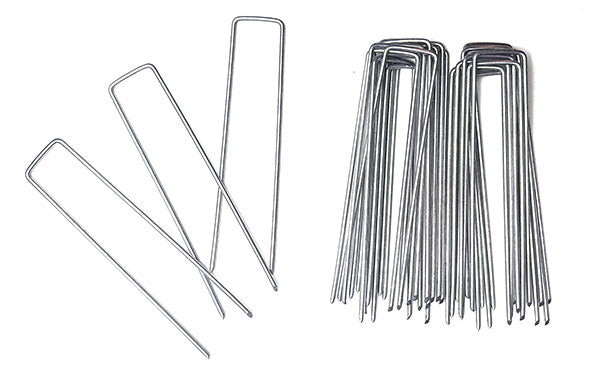
Gopher Wire Staples

Each roll of Gopher Block® requires 100 ground staples for proper installation. (sold separately).

Ground Staples – For Gopher Wire - 240 Staple Carton

Ground Staples – For Gopher Wire - 240 Staple Carton

$38.41

Also Available:

Digger's Stainless Steel Gopher Wire
Gopher Wire Roll - Ultra Heavy-Duty - Stainless Steel Mesh - Digger's Brand
Digger's Stainless Steel Gopher Wire
Gopher Wire Roll - Ultra Heavy-Duty - Stainless Steel Mesh - Digger's Brand

Gopher Wire Roll - Ultra Heavy-Duty - Stainless Steel Mesh - Digger's Brand

$432.36

Preparing the Area:

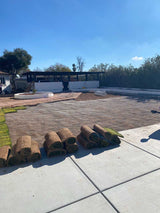
Remove any rocks and debris from the desired installation area. Next, level out the installation area as much as possible. (The area can slope, but for ease of installation, try to make it an even plane as much as possible)

Smoothing Out the Area:

Using a lawn roller, (can be rented from a local hardware store) smooth out the area. The end result will be a compacted surface which will be ideal for laying the gopher wire.

Roll out the Gopher Wire:

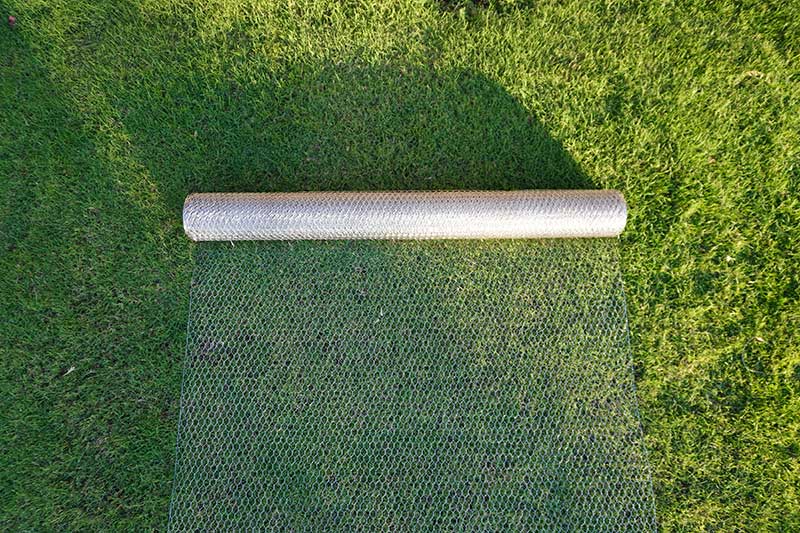
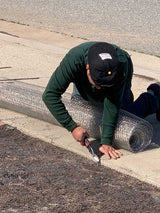
Unroll the wire and using ground staples, stake the ends of the wire together. To ensure that the wire lays flat, stretch the wire slightly.

Overlapping:

When placing the wire side-by-side be sure to overlap a minimum of 3”.

Note: Do not simply butt the ends up, over time this can create a small gap where a gopher could potentially penetrate and squeeze through the wire.

Install Ground Staples:

To ensure that the wire stays in place, use ground staples to secure the wire to the ground every 18” on the perimeter and overlapping areas. The wire can be cut using standard wire cutters or sharp garden sheers to fit the area.

Boarders:

If installing a boarder with the gopher wire, be sure to fold the wire up and then affix to the boarder. This will ensure that a hidden gap is not created on the edge where a gopher could squeeze through. It is a good idea to physically attach the wire to the edging if possible using staples. This will help the wire to stay in place regardless of future minor earth movements or swelling that may take place.

Add Soil:

Next, add soil to the installation area. Spread an equal amount of soil covering the wire under an equal depth of 1” - 1-1/2”. After spreading, use a lawn roller again to even out and compact the soil on top of the wire.

Lay Sod:

Next lay the sod on top of the area. When rolling the sod out, be careful when walking on the compacted, smoothed out soil. Be careful not to significantly disturb the compacted soil, exposing the wire.

Enjoy your Lawn

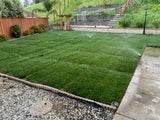
With gopher wire installed, your lawn area will now be protected against gopher damage and intrusion in the future.

Important:

It is essential that all of the gopher wire makes complete contact with the soil. In any areas where the wire is “bubbled” or pushes away from the soil, use extra ground staples to secure it to the ground.

Note:

It is ok to walk on the wire directly when installing. It is not a good idea to drive a machine on the bare gopher wire as the turning wheels or tracts can easily rip up the wire.

Looking for Some Inspiration?

Visit our Project Gallery to view a wide variety of different Gopher Wire installations by our customers.

image4__PID:90303190-6bcc-4026-988d-c1d06423b4e0
img_1575__PID:31906bcc-6026-488d-81d0-6423b4e03aba
img_3077__PID:6bcc6026-188d-41d0-a423-b4e03aba1dfa

What About Moles?

Although gopher wire is not specifically designed to prevent mole intrusion, we have had customers that have installed it for this application and the gopher wire has proved effective at deterring moles from tunneling into landscape and lawn areas.


"After tilling and clearing the loam from our yard, I installed the gopher wire roll. I then applied another 6 inches of topsoil/compost and then laid 1,800 square feet of zeon zoysia sod. The gopher wire roll is an incredible product and in my mind worth every penny. I have already seen the results. There is an adjacent section where our yard meets the neighbors yard. Given the frequent watering/worms, etc. our yard has become an attractive site for moles. Well, our yard has been perfectly protected from the moles, and our neighbors yard is full of new holes and tunnels. They just cannot seem to penetrate the wire roll. The quality is also impressive. Does not even compare to the junk available at “unnamed big box” hardware store (trust me, I looked!) Anyway, here are several photos of the installation process and the final product. "

-
Colin R.
Austin, TX

gopher-wire-moles.jpg__PID:4252829f-7c02-48e1-a023-8ac7d4075f06gopher-wire-installed-top-protect-from-moles.jpg__PID:ad425282-9f7c-42c8-a120-238ac7d4075fgopher-wire-installed-mole-block.jpg__PID:25ad4252-829f-4c02-88e1-20238ac7d407

Installing Chicken Wire Fences In A Few Easy Steps

As I'm sure you know, chicken wire fences were designed to keep chickens as well as other small animals and pets in a safe place away from predators. Today, many clever, creative people have found other ways to use chicken wire to enhance their gardens and backyards while adding a nice touch to your property. Also, chicken wire fence is very flexible and less expensive than chain link fences. Unlike wood, you can still enjoy great views beyond your backyard because it's very transparent. Chicken wire has become very popular throughout rural and urban areas alike. It's very affordable, easy to install, and will add a wonderful touch to your landscaping. Some people have created trellises for their gardens or around their landscaping adding a wonderful appeal.

Chicken wire is made from galvanized steel strands forming a mesh that was originally used to create chicken coops to keep chickens in their pens. You will find these fences in rural farm areas and has become very popular in other areas outside of farming communities. You will see chicken wire fencing for backyards, gardens, and even as a dog fence to keep your puppy safe. We will go over the ins and outs of creating a DIY chicken wire Fence and why this wire fencing has become so popular over the years?

Chickens in coop

Hens in Chicken Coop

The Benefits Found In Chicken Wire Fencing

If you can't wait to dive into DIY projects, you will find that chicken wire fencing has a lot of advantages over other fence materials including wood, metal, vinyl, and PVC materials due to its low cost and it's very easy to install on your own. These fences are excellent for keeping wild predators like raccoons out Chicken wire fences are better than wooden fences or chain link fences because they go underground and will keep animals from digging underneath to gain access to the pen. Also, a chicken wire fence will give you great curb appeal.

Needed Tools

• Post hole digger
• Shovel
• Sledgehammer or post-driver
• Level
• Heavy-duty stapler
• Framing nails
• Wire cutters
• Hammer

Needed Materials

• Metal or wooden posts
• Spray paint or stakes and twine
• Framing lumber - 2x3’s, 2x4’s, or 2x6’s cut to length
• Chicken wire mesh
• Poultry staples
• Zip ties

1 – Plan Your Area

Now that you have your tools and materials, it's time to build a chicken wire fence or a garden fence. The following instructions will explain the steps for installing the fenceOutline the area of the fence using spray paint or the stakes and twine. Make sure the path is precisely marked so you can build the fence accurately.

2 - Installing The Fence Posts

When you are ready to install the posts, you have two options. Wooden or metal posts are known as U -Posts and T- Posts. You have to build a frame with framing lumber to attach to the posts once they are in place.

If you want wooden posts, you have to add top and bottom rails after the posts are in place. For T or U posts, you need a sledgehammer to drive them in place. For wooden posts, you need a post-hole digger or shovel to create the holes and then place the posts in the holes.

Install the posts in the spots you measured ahead of time as discussed in Step One. Make sure the holes are at least 6 inches deep. You can use dirt to fill the holes, you do not need concrete. Each post should be spaced evenly and not more than 10 feet apart.

Newly Constructed Chicken Coop

Chicken Coop - Newly Built

3 – Dig The Trenches and Add The Framing

This is for chicken wire fences to keep chickens or other small animals safe. This is where trenches come into play. Some animals will try to dig under the fence. The trench should go all the way around the path of the chicken fence and should be one foot deep between the posts.

Start working on the wooden frame to outline each section of the chicken wire fence. Lay out the framing lumber and then use the hammer and nails to construct the lumber and should be the same size as the area between the posts. The frame should be measured and built so its bottom edge will fit in the one-foot trench you created. If a trench is not needed, the wooden frame has to be measured in order to fit the distance between the posts but not make it taller because there won't be a trench.

Galvanized Chicken Wire

Chicken Wire Rolls

Attach The Chicken Wire

Once the posts are in place and the trenches dug, you can stop by Home Depot or go to Amazon online to find out how many staples you are going to need. In the meantime, you can temporarily use zip ties to attach the wire mesh to the posts until you get the staples.

What is the proper depth for the chicken wire?

If you are creating a fence to keep chickens safe versus a structure for your yard or garden, the depth is critical to keep wildlife from digging underground. Once you have outlined the path of the fence and installed the posts, dig a trench approximately one foot deep from one post to another and repeat this step along the entire length of the fence. Take the wooden frame with the mesh attached to it and place it in the trench. Make sure the fence extends underground deep enough to keep other animals out.

What Is The Time Frame For Building The Chicken Wire Fence?

Building a standard chicken wire fence will take approximately one or two days. If you are building a garden fence, it should only take a few hours to complete. The length of time for installing your fence will depend on the length of the fence and whether or not you will need a trench. If you need to install a gate, allow for additional time for the steps required to install the gate.

Stretch And Secure The Mesh

You probably should get someone to help you stretch and secure the mesh to the next post. Take the poultry staples to secure the steel wire to the top, center, and bottom of the first post then stretch the mesh to the next post using the staples or hammering them in place. This step must be repeated throughout the entire fence.

Trim All Excess Wire

After you have installed the chicken wire mesh to the posts or wooden frames, you need to trim off any excess wire using wire cutters to remove any sharp points that can harm you and provide you with a neat and polished look. If you have never created and installed a chicken fence, you might have a few questions.

How To Secure The Wire To The Posts

To carry this step out, all you need is a heavy-duty stapler or hammer along with plenty of staples. You have to staple the wire mesh three times to each post then along the top and bottom if you are using wooden frames. Before starting this process, make sure you have calculated everything you will need for the fence before heading out to your home improvement center, like the Home Depot.

Chicken Wire on coop

Chicken Wire on Chicken Coop

In A Nutshell

As with any project, plan ahead of time, take into consideration each step and what you need to complete the process. Be sure you have all the tools and materials you will need to get it done correctly.

Creating and installing a chicken wire fence is not expensive and is very easy to install. Contact your local home garden center for more tips and tricks and follow their advice. If you are someone who likes DIY projects, this is for you.